
Expert Tips for Integrating Smart Technology into Your Home Design
AA
Understanding the Basics of Smart Home Technology
Smart home technology has revolutionized the way we interact with our living spaces, offering convenience, efficiency, and enhanced security. By integrating these systems into your home design, you can create a seamless and intuitive environment. Begin by identifying the core smart home components you wish to incorporate, such as lighting, climate control, and security systems.
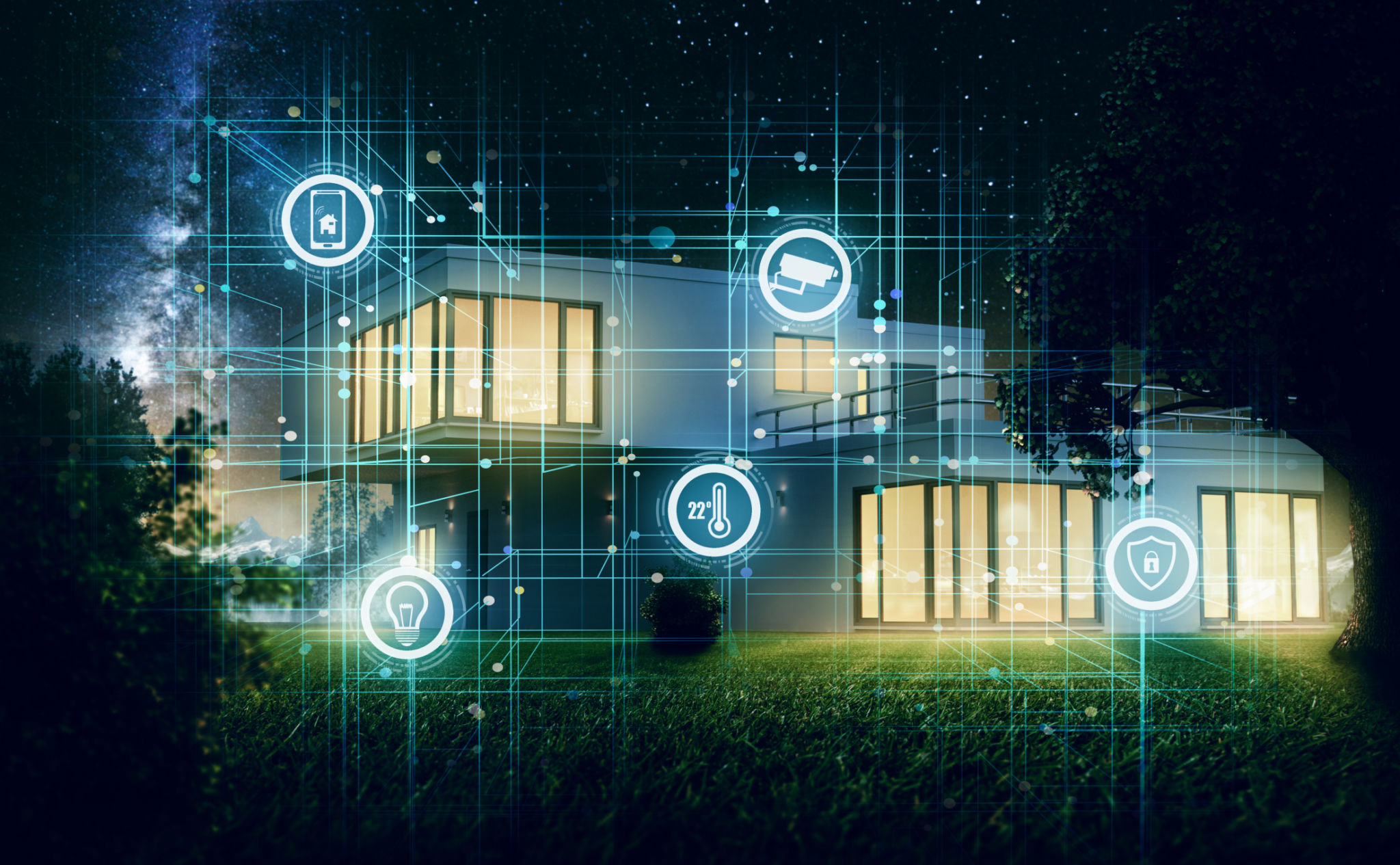
It's essential to choose a platform that supports a wide array of devices and offers robust interoperability. Popular platforms like Google Home, Amazon Alexa, and Apple HomeKit provide a solid foundation for your smart home. They allow for easy integration and control of various devices through a central hub or app.
Planning Your Smart Home Design
When planning your smart home design, consider how technology can enhance the functionality and aesthetics of each room. Start by evaluating the specific needs of your household. For instance, a smart kitchen might focus on energy-efficient appliances, while a smart living room could prioritize entertainment systems.

Additionally, think about the placement of devices and ensure they blend harmoniously with your interior design. Concealing cables and choosing devices with a sleek design can maintain the visual appeal of your space.
Enhancing Security with Smart Technology
Security is a primary concern for many homeowners, and smart technology offers innovative solutions. Install smart locks, doorbell cameras, and motion sensors to enhance your home's security. These devices allow for remote monitoring and control, providing peace of mind whether you're at home or away.
To maximize security, ensure that all devices are connected to a secure network. Regularly update passwords and enable two-factor authentication where possible. These steps help protect your home from potential cyber threats.
Optimizing Energy Efficiency
Another significant advantage of smart technology is its ability to improve energy efficiency. Smart thermostats, for example, can learn your schedule and adjust temperatures accordingly, reducing energy consumption. Similarly, smart lighting systems can be programmed to turn off when rooms are unoccupied.
Consider using smart plugs to monitor and control energy usage of individual appliances. By analyzing usage patterns, you can make informed decisions to further reduce your energy footprint.
Integrating Entertainment Systems
For many, a smart home isn't complete without an integrated entertainment system. Smart TVs, speakers, and streaming devices can be connected and controlled through a single platform, offering a unified and immersive experience.
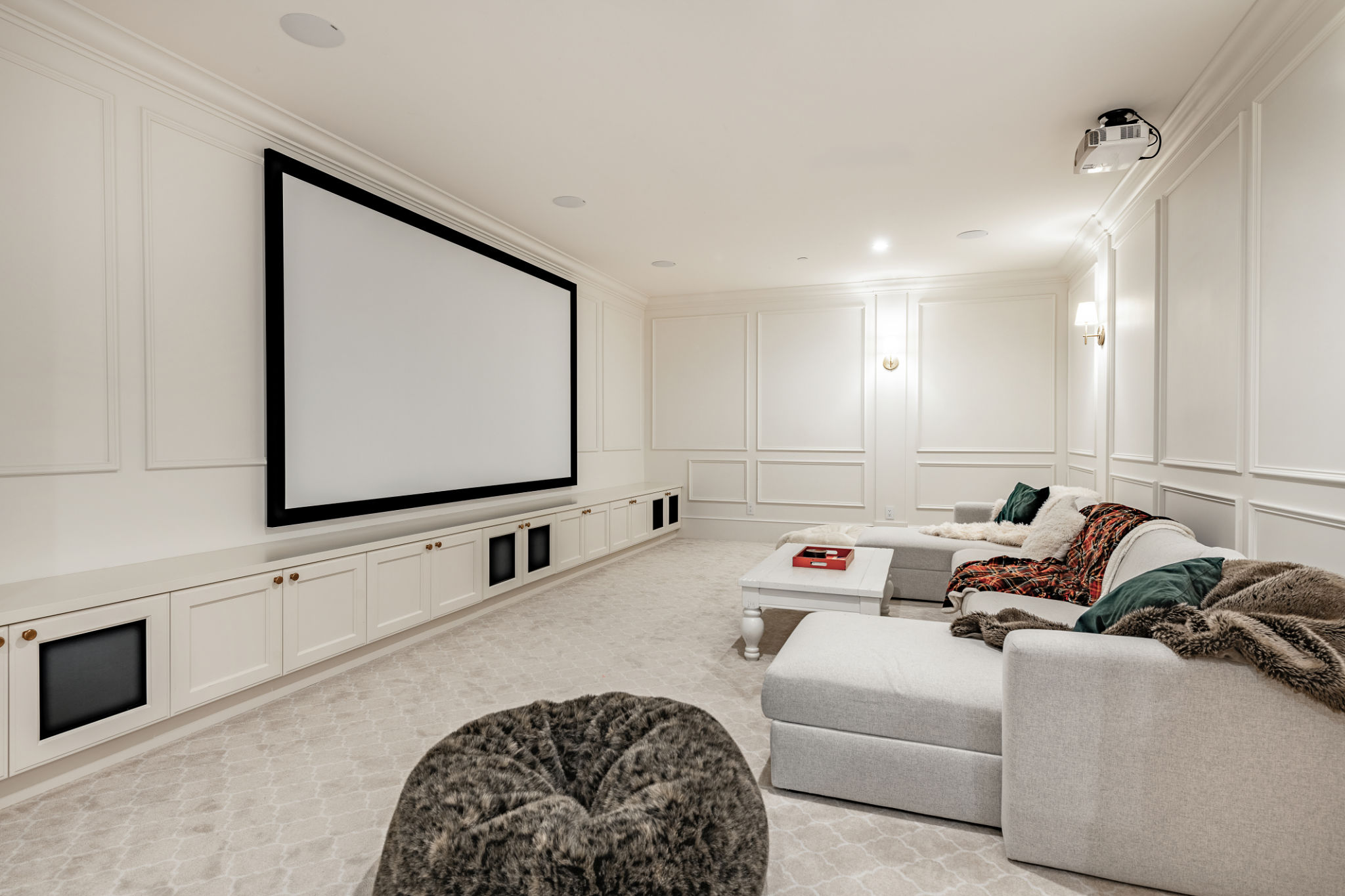
Invest in a high-quality sound system and consider the acoustics of your space to enhance audio performance. This attention to detail can transform your living room into a personal theater, perfect for family movie nights or entertaining guests.
Embracing Future Innovations
The world of smart home technology is ever-evolving, with new innovations continually emerging. Stay informed about the latest developments and consider upgrading your systems as needed. Incorporating modular devices can make future expansions easier and more cost-effective.
By keeping an eye on trends and technological advancements, you can ensure that your smart home remains cutting-edge and continues to meet your needs.