
Designing for the Tropics: Expert Tips for Modern Homes
AA
Understanding the Tropical Climate
Designing a home in the tropics requires a unique approach due to the region's distinct climate. The high humidity, intense sunlight, and frequent rain can present challenges, but they also offer opportunities for creative and sustainable design solutions. Emphasizing natural ventilation and protection from the elements is crucial.
One of the primary considerations is airflow. In tropical climates, maximizing natural ventilation can keep homes cooler and reduce reliance on air conditioning. This can be achieved through strategically placed windows and open floor plans.

Choosing the Right Materials
Material selection plays a vital role in designing homes for the tropics. It’s essential to choose materials that can withstand humidity and heavy rainfall. Bamboo, teak, and other local woods are popular choices due to their durability and aesthetic appeal.
Additionally, incorporating materials that reflect heat and resist moisture can enhance a home's longevity and comfort. Consider using reflective roofing materials and moisture-resistant wall finishes to protect your home from the tropical elements.

Embracing Indoor-Outdoor Living
The tropical climate is perfect for blending indoor and outdoor spaces. Designing with wide verandas, patios, or decks allows residents to enjoy the natural surroundings while staying protected from the sun and rain.
Utilizing large glass doors and windows can create a seamless transition between indoor and outdoor areas. This design choice not only enhances the aesthetic appeal but also improves ventilation and natural lighting.
Landscaping for the Tropics
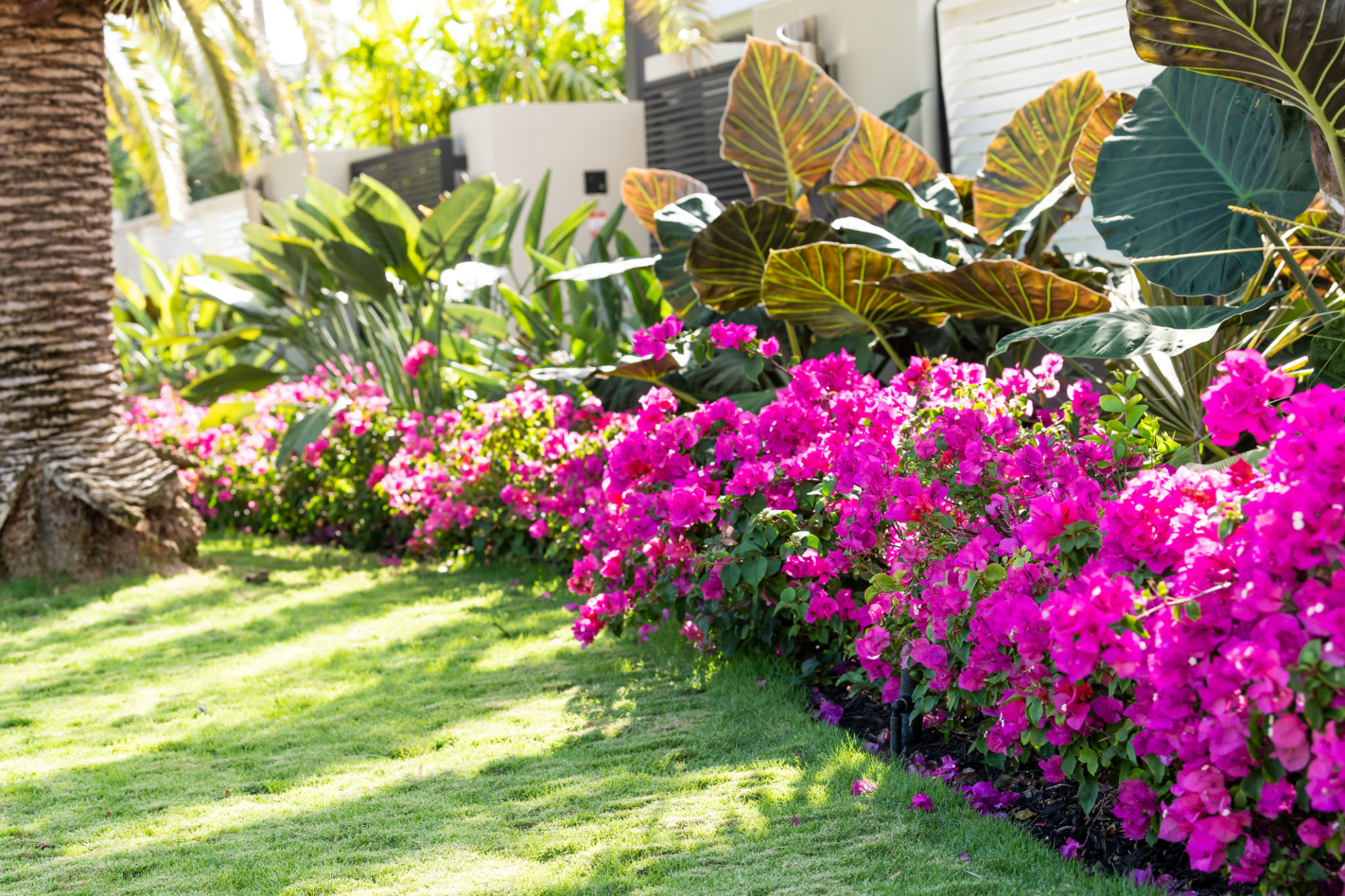
Incorporating native plants and trees can create a lush, green environment that complements the home’s design. Tropical plants like palms, ferns, and orchids thrive in humid conditions and add vibrant colors and textures to the landscape.
Energy Efficiency Strategies
Designing for energy efficiency is crucial in the tropics. Solar panels can be a smart investment, capitalizing on the abundant sunshine to power the home. Additionally, using energy-efficient appliances and LED lighting can further reduce energy consumption.
Consider installing rainwater harvesting systems to make the most of frequent rainfall. Collected rainwater can be used for irrigation, reducing the need for additional water resources.
Smart Home Technologies
Integrating smart home technologies can enhance comfort and efficiency. Automated shading systems, climate control, and smart lighting can be adapted to suit the tropical environment, providing convenience and reducing energy usage.

Preserving the Environment
Sustainability should be at the forefront of tropical home design. Using eco-friendly materials and practices can minimize the environmental impact. Consider working with local architects and builders who understand the unique challenges and opportunities of the tropical climate.
By prioritizing sustainability, homeowners can enjoy a beautiful, functional living space that harmonizes with the natural environment.