
Case Study: Successful Architectural Projects in Abidjan
AA
Introduction to Abidjan's Architectural Evolution
Abidjan, the economic capital of Côte d'Ivoire, has witnessed a remarkable transformation in its architectural landscape over the past few decades. As the city grows, so does its need for innovative and sustainable architectural solutions. This case study explores some of the most successful architectural projects in Abidjan, highlighting their significance and impact on the urban environment.
Modern Residential Complexes
One of the key areas of development in Abidjan has been the construction of modern residential complexes. These projects aim to provide comfortable and affordable housing while meeting the demands of a growing population. The integration of green spaces and community amenities has set a new standard for living in the city.
The "Cité des Arts" project is a prime example. Designed to accommodate artists and creatives, it offers a unique blend of residential and studio spaces. This innovative approach not only supports the arts but also fosters a vibrant community culture.

Commercial and Business Hubs
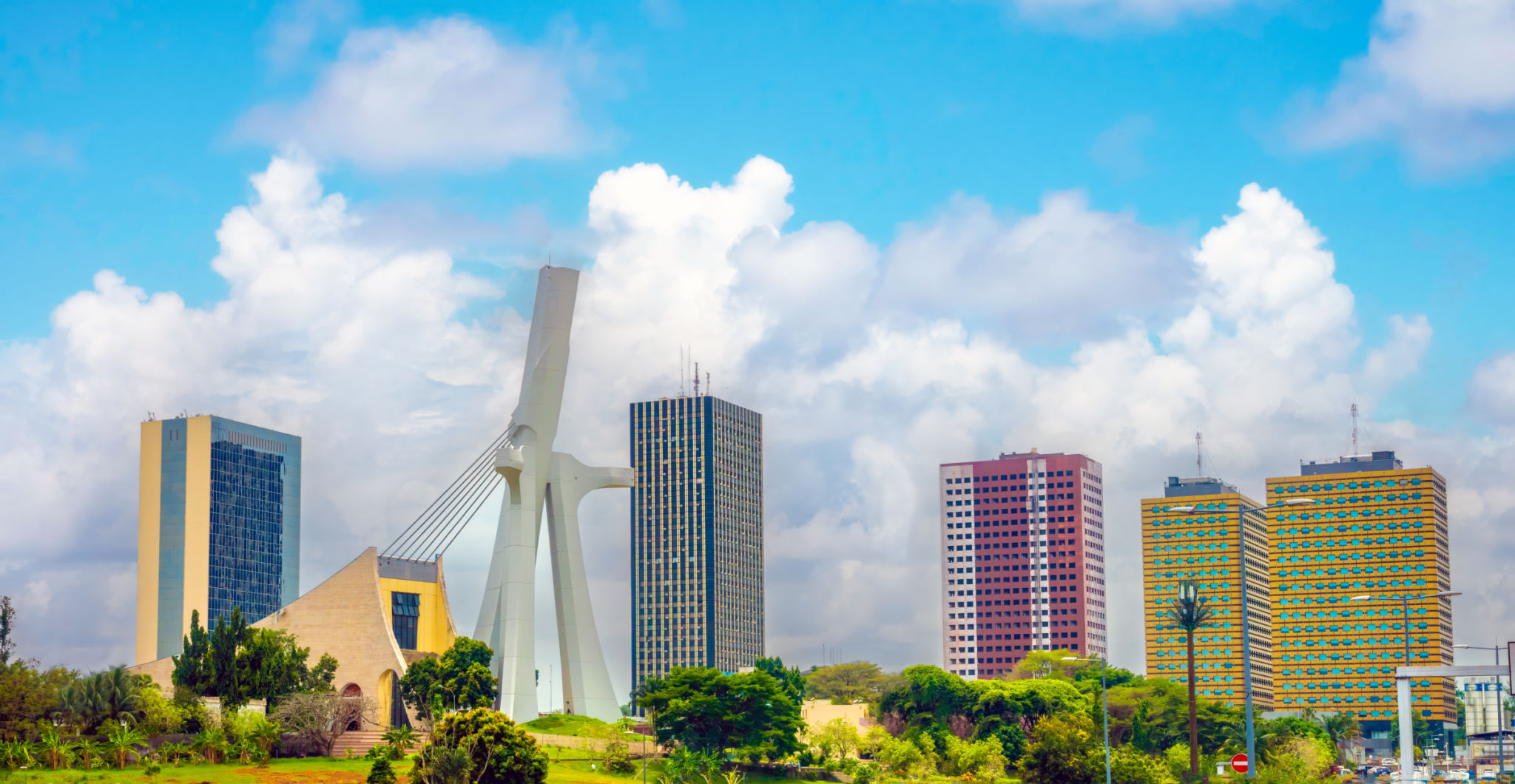
Abidjan's role as a commercial hub has led to the development of state-of-the-art business centers. These projects are designed to cater to the needs of international businesses and local entrepreneurs alike. The Plateau district, known as the business heart of the city, has seen significant transformations with the addition of skyscrapers and modern office buildings.
The "Abidjan World Trade Center" stands as a symbol of the city's economic ambition. Equipped with cutting-edge technology and sustainable design practices, it attracts businesses from all over the globe, contributing to Abidjan's status as a leading business destination in West Africa.
Public Infrastructure and Cultural Spaces
Public infrastructure projects have also played a crucial role in Abidjan's development. The city has invested in transport systems, bridges, and cultural spaces, aiming to improve connectivity and enrich the cultural landscape. The "Henri Konan Bédié Bridge" is a notable project that has greatly eased traffic congestion and enhanced urban mobility.
Cultural spaces like the "Musée des Civilisations de Côte d'Ivoire" have been revitalized to preserve and promote the nation's rich heritage. These projects not only serve the local population but also attract tourists, boosting the city's cultural appeal.
Sustainable Architectural Practices
In recent years, sustainability has become a focal point for architects in Abidjan. Projects are increasingly adopting eco-friendly materials and energy-efficient designs. The "Green Tower" is a groundbreaking project that incorporates solar panels, rainwater harvesting, and natural ventilation, setting a benchmark for sustainable architecture in the region.
Such initiatives are crucial in addressing environmental challenges and promoting a healthier urban environment. As more projects embrace these principles, Abidjan is poised to become a model for sustainable urban development in Africa.
Conclusion
The architectural projects in Abidjan reflect a city that is dynamic, forward-thinking, and culturally rich. From residential complexes to business hubs and public infrastructure, these projects have transformed Abidjan into a modern metropolis. As the city continues to grow, its architectural achievements will undoubtedly play a key role in shaping its future.